
Research projects
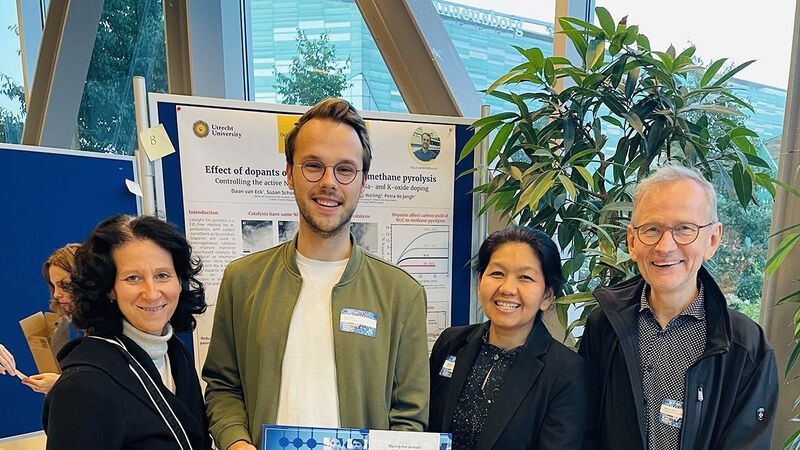
If you choose to perform a research project in our group, you will work on your own topic and project, and you will be guided by experienced PhD students, as well as two staff members. It is your choice to focus more on practical work or theory, but in general you will have the chance to participate in both the design, assembly, advanced characterization and testing of catalysts or energy materials. You will become acquainted with the advanced range of experimental techniques available (or perform theoretical work directly related to functional materials). As student you will be considered a regular member of the group, participate in group and team meetings, discussions and collaborations, and hence developing a strong background in materials research (including analysis and presentation and discussion skills) while working on topics that are relevant for a more sustainable future society.
Collaborations and internships
A project in collaboration with other groups within the Debye is possible. Many of the projects in our group are part of international collaborations and/or involve industrial partners, such as TOTAL, BP, Shell, BASF, Johnson Matthey, and Avantium. The group facilitates traineeships in chemical industry, Dutch governmental organizations and foreign universities, based on intensive contacts with researchers from national and international companies and universities. If you have a specific scientific topic in the field of catalysis in mind, we will do our best to find the right project or internship for you.
Requirements
Before starting a MSc project in our group, we recommend that you take at least one of the courses “Advanced Catalysis”(formerly Advanced Catalysis and Kinetics) and/or “Synthesis of Catalysts and Energy Materials” and/or “Advanced Electroctalysis”.
Official matters
For MSc projects, most of the official matters are arranged via Osiris Case. For BSc projects, a BSc thesis contract must be filled out. Unlike a MSc project, a BSc project can only be started after most of the program is completed; as a BSc student, you need to have earned 120 EC before you can start. For more information, as well as the contract and the assessment form, see the BSc Thesis Course Manual.
Contact
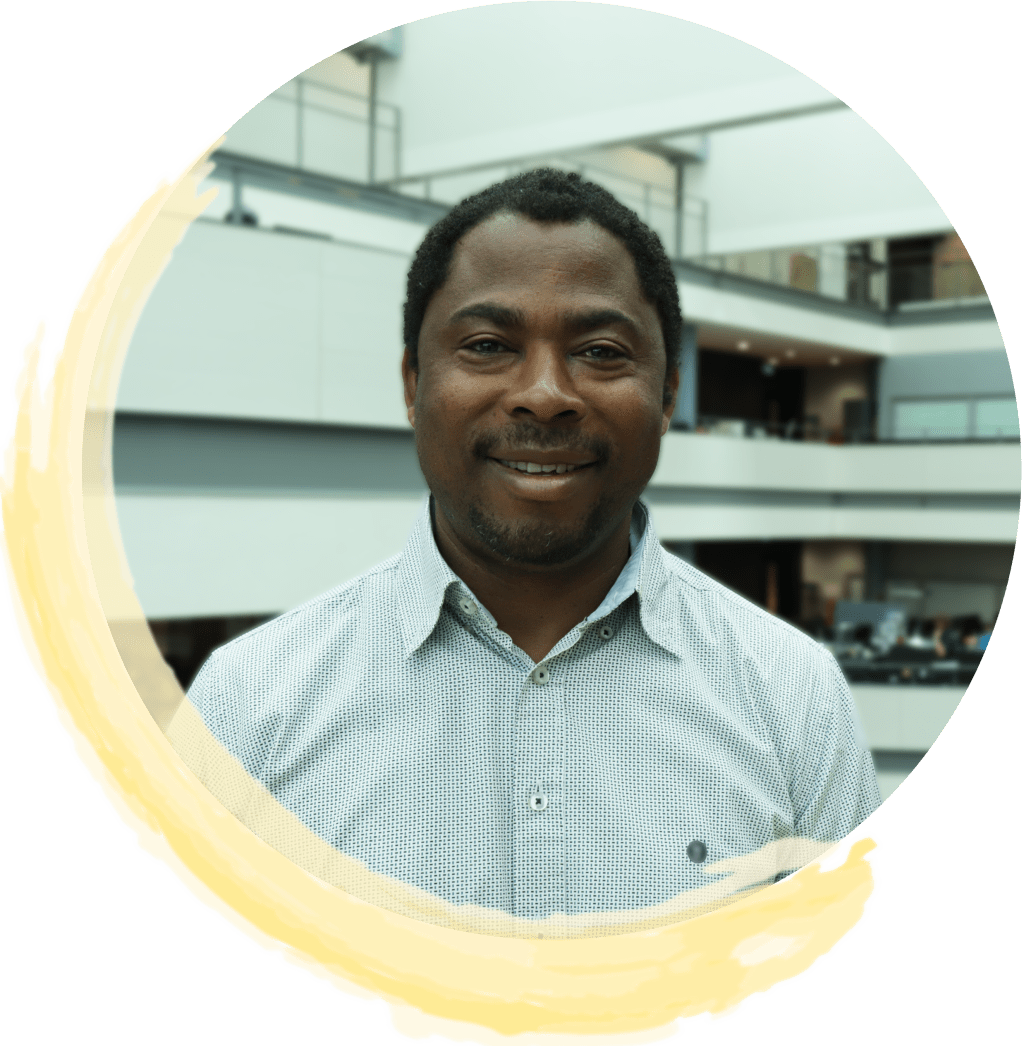
For more details, contact dr. Peter Ngene at p.ngene@uu.nl.
 Materials Chemistry and Catalysis